What Should I Do When Filling Fell Out?
When tooth filling fell out, there is no need to panic as it does not require any emergency medical care. You must visit the dental clinic in emergencies when excessive bleeding passes from your teeth and won't stop even after using effective home remedies. Moreover, swelling makes the situation worsen over time.
When you observe fillings falling out, follow the steps below before making any decision.
- Rinse your mouth with warm water as it helps eliminate collected debris or remove untreated particles that cause issues in the mouth.
- Avoid consuming or eating hot or cold items to protect from tooth sensitivity.
- Consult with your dentist as soon as possible because lost fillings can expose the tooth, leading to discomfort and inconvenience.
- You may cover your affected area with dental cement temporarily, and always remember that this is not a permanent solution.
- The timely treatment of teeth may help manage pain and discomfort and address the issues shortly. Also, it keeps you away from complex problems.
- When the dental fillings fall out, try to manage your teeth as clean as possible until visiting your dentist's clinic.
- Rinsing with antibacterial mouthwash helps to some extent.
- Avoid chewing with the exposed teeth.
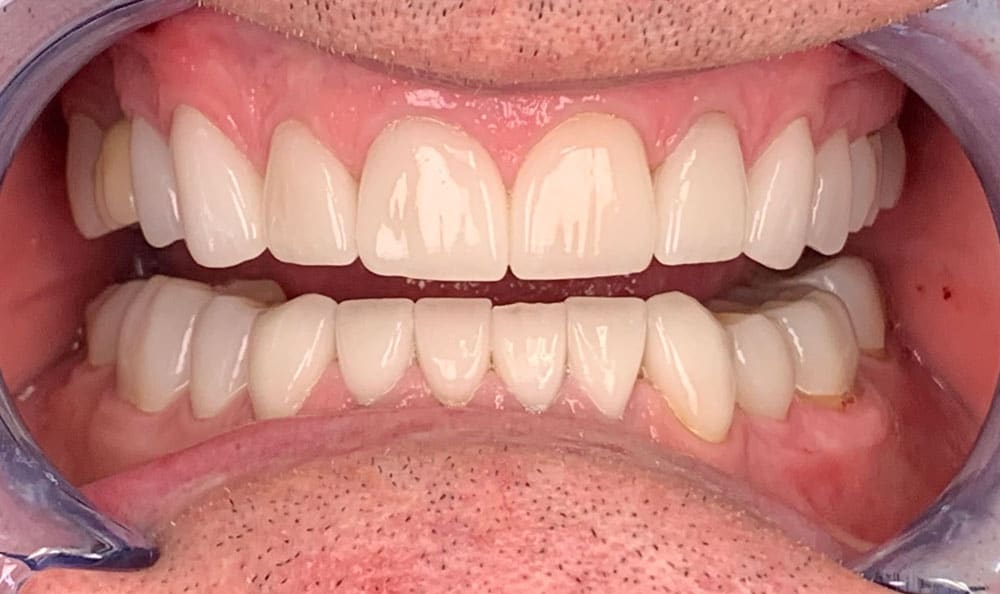
Can a loose filling create complexities?
If you haven't filled exposed teeth within a few days, it can cause infection near the affected region. When bacteria and food particles are stuck in the affected region, it can cause tooth decay. Moreover, the dentin, the second layer of the tooth beneath the hard outer enamel, may become visible due to a missing filling. Dentin is softer and more prone to deterioration than enamel. Moreover, exposed dentin may be extremely sensitive.
Tooth decay or damage due to exposing teeth may require effective dental treatments, including dental crown, root canal, or extraction. This is the only reason you need to replace loose fillings immediately.
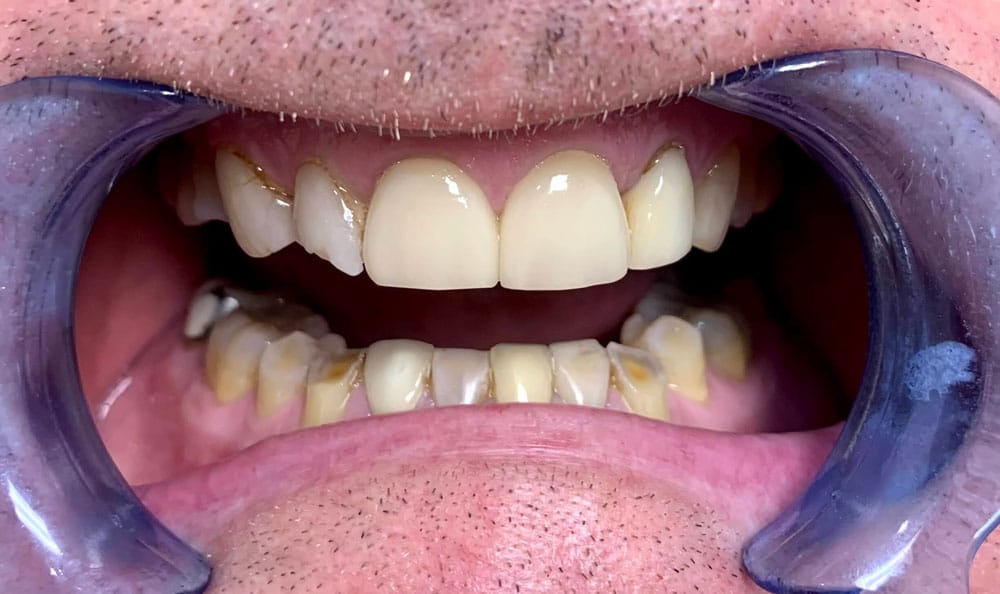
Many people enquire about dental filling cost on the internet but cannot find the relevant information. Dental fillings are an affordable yet efficient restoration method. But the cost of treatment depends on various factors such as the number of visits required in fillings, the size of the fillings and the material you've chosen for Front Tooth Filling.
As soon you consult a dentist for dental filling, it may reduce your chances of needing more expensive procedures. For example, if the cavity is left untreated, it enhances the risk of tooth loss, and replacing missing teeth is more expensive than dental fillings.
Wrapping It Up
When the front tooth cavity filling is taken on time, it helps restore your smile and protects the surrounding teeth. Often, dentists use tooth-colored materials to give a natural appearance. Until you visit the dentist, take care of your oral hygiene and avoid chewing or eating food with the exposed teeth. Moreover, routine follow-ups with the dentist every six months will help catch issues as soon as possible.
Introduction
Root canal plays a significant role in saving smiles, but you need to understand the role of oral dental care and overall health to achieve an aesthetic and pearly white smile. Root canal treatment is a common dental procedure that dentists use to preserve existing natural teeth. During this procedure, a skilled dentist removes plaque and tartar buildup in the gum line housing nerves and blood vessels. The main aim of this dental procedure is to alleviate pain and protect surrounding teeth from spreading infections and developing bacteria. So, you don't have to worry about the pain and discomfort as it works like a game changer for your teeth to keep them strong and healthy.
What Exactly is a Root Canal?
Many people struggle to get to know What is a root canal. A root canal is a dental procedure specifically designed to protect a tooth from decay, damage, or infections. It generally lies at the centre of the teeth. However, the pulp houses nerves and blood vessels. When this pulp gets collected at the tooth's center, it increases the risk of developing tooth decay and periodontal and gum diseases. This is a stage when a root canal becomes essential to protect the surrounding teeth from severe damage or infections.

Why People Need Root Canal Treatment?
Root canals are essential to alleviate tooth pain caused by infection or inflammation, preserving natural teeth and preventing infections from spreading to neighboring teeth. They not only relieve discomfort but also ensure functionality and aesthetics, promoting overall oral health and other complex diseases like oral cancer, herpes, etc. Getting treatment at an early stage helps protect a smile and maintain a healthy, natural set of teeth.
Root Canal Treatment PostCare Tips
Just after the completion of root canal treatment, it is essential to follow proper, effective preventive measures for quick relief and maintaining oral care. You need to keep in mind the following tips:-
Restrict with soft food items
Restrict yourself and eat only soft food items (like khichdi or up) in the starting days and avoid putting extra pressure on the treated teeth. You can gradually shift to harder food items as your dentist only recommends.
Take Prescribed Medications
Consider your Dentist Near Me advice only when using antibiotics or painkillers. These medications help in managing discomfort and potential infections.
Follow Oral Care Practices
Maintain oral healthcare practices by flossing and brushing to keep your gums and teeth healthy. Use only a soft bristle toothbrush and gently apply the pressure in the affected area.
Follow Up Appointments
Visit 24 Hour Emergency Dentist for regular checkups and appointments to crosscheck the recovery of the affected area and adhere to resolve issues promptly.
Avoid Using Excessive Hot or Cold Items
Avoid consuming excessive hot or cold items to keep root canal treatment long-lasting as it protects from tooth sensitivity.
Wrapping It Up
Some people get worried about the root canal procedure, but they need to know the basic concepts to address their issues. Don't put an unnecessary load on your mind because this is quite a common dental treatment. If you may experience pain and discomfort during and after the procedure, you must visit 24 Hour Emergency Dentist immediately and discuss your issues with them. To make the process accessible and smoother, the dentist applies a particular fluoride solution to the infected area that can last just a few minutes.
Introduction
When you hear the term root canal for the first time in your life, you may start creating a picture in your mind and start thinking about pain and discomfort. But you need to understand how important this is for your oral and overall health for getting an appealing smile and pearly white teeth. A root canal is a common dental procedure that is often used to protect the existing natural teeth. A Root Canal specialist has years of experience and has handled various cases in the same field.
Symptoms Indicating You Need A Root Canal
Toothache, periodontitis, and misalignment of teeth are inevitable guests that worsen dental conditions over time. Tooth sensitivity while consuming or chewing hot or cold food items, swollen gums, persistent tooth pain, and stained teeth give you signals that you now need a root canal treatment. If you experience any of these symptoms, you must take advice from the dentist immediately without wasting time. It is worth mentioning that root canal recovery time may vary from person to person, depending on how healthy an individual is and its severity.
Purpose of Root Canal Treatment
The root canal treatment aims to protect the surrounding teeth from damage and save a tooth from extraction. The risk of developing bacteria or infection may be enhanced when the pulp accumulates inside teeth. If not treated on time, the infection or bacteria affects nearby teeth, causing more severe health and dental issues.
Maintaining proper oral functions and, protecting yourself from bite problems and shifting teeth from their actual position is essential in addition to preserving natural teeth.
Why Dental Professionals Consider Root Canal Effective Treatment?
Root canal is one of the effective dental solutions for tooth decay and periodontitis. The following are the reasons that are resolved by following:-
Preserve Natural Teeth
Root canal is a dental treatment aiming to save a natural tooth. Furthermore, this helps maintain the integrity of the dental arch and saves spending a hefty amount of money.
Pain Relief
Root canals are often used for pain relief, as they remove the infected pulp, allowing the patient to return to a pain-free lifestyle.
Protect From Spreading Infection
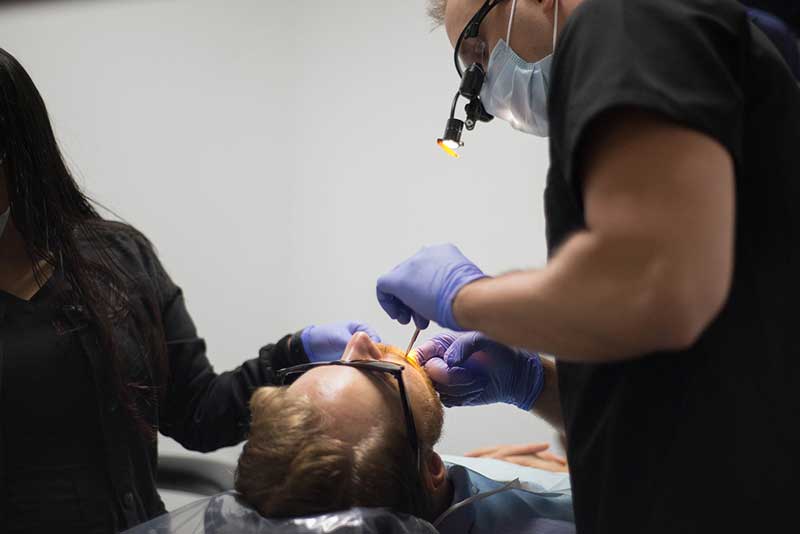
Dental professionals clean and seal teeth during root canal treatment, protecting individuals from spreading infections to surrounding areas. This plays a significant role in dental treatment and prevents individuals from severe oral health issues.
Improved oral function
Root canal treatment is a method that helps patients maintain their natural teeth, enabling them to continue chewing, speaking, and smiling confidently while preventing tooth loss issues.
Wrapping it up
A root canal may sound complex, but this is considered an effective dental treatment aiming to protect natural teeth and alleviate pain and discomfort. With dental advancements and anaesthesia, the procedure is simplified and comfortable, enabling professionals to perform the treatment smoothly and efficiently. It has now become a reliable solution for a healthy and functional smile. Visit Emergency Dental Clinic when you don't get relief from pain and swelling even after treatment.