When severe tooth pain strikes, many people worry about what happens next. A root canal dentist plays a critical role in saving damaged or infected teeth and relieving pain fast. At Emergency Dentist Houston, experienced professionals handle urgent cases with precision, comfort, and care. Understanding what a root canal dentist does during the procedure can ease anxiety and help patients feel more confident about treatment.
Examining the Tooth and Diagnosing the Problem
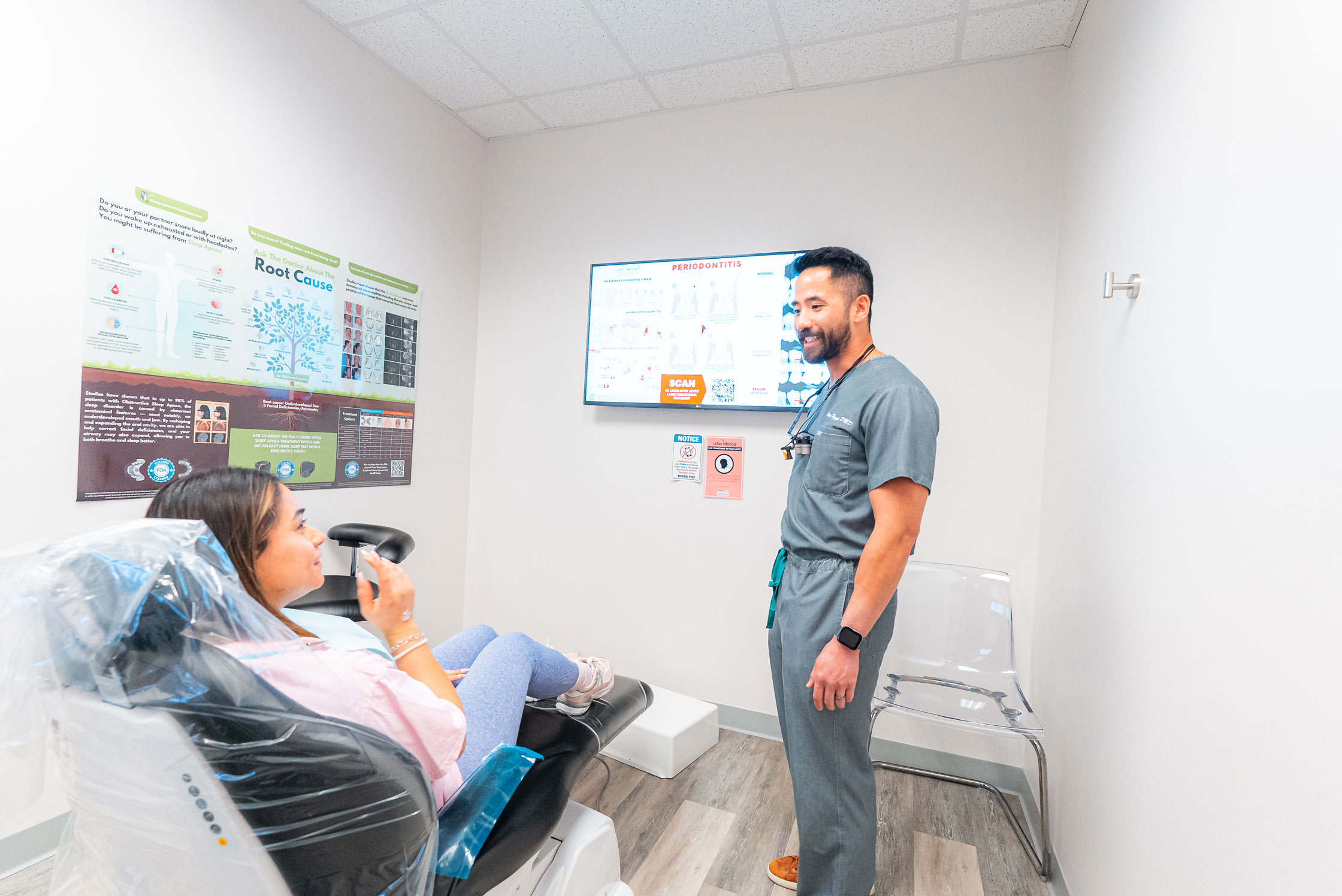
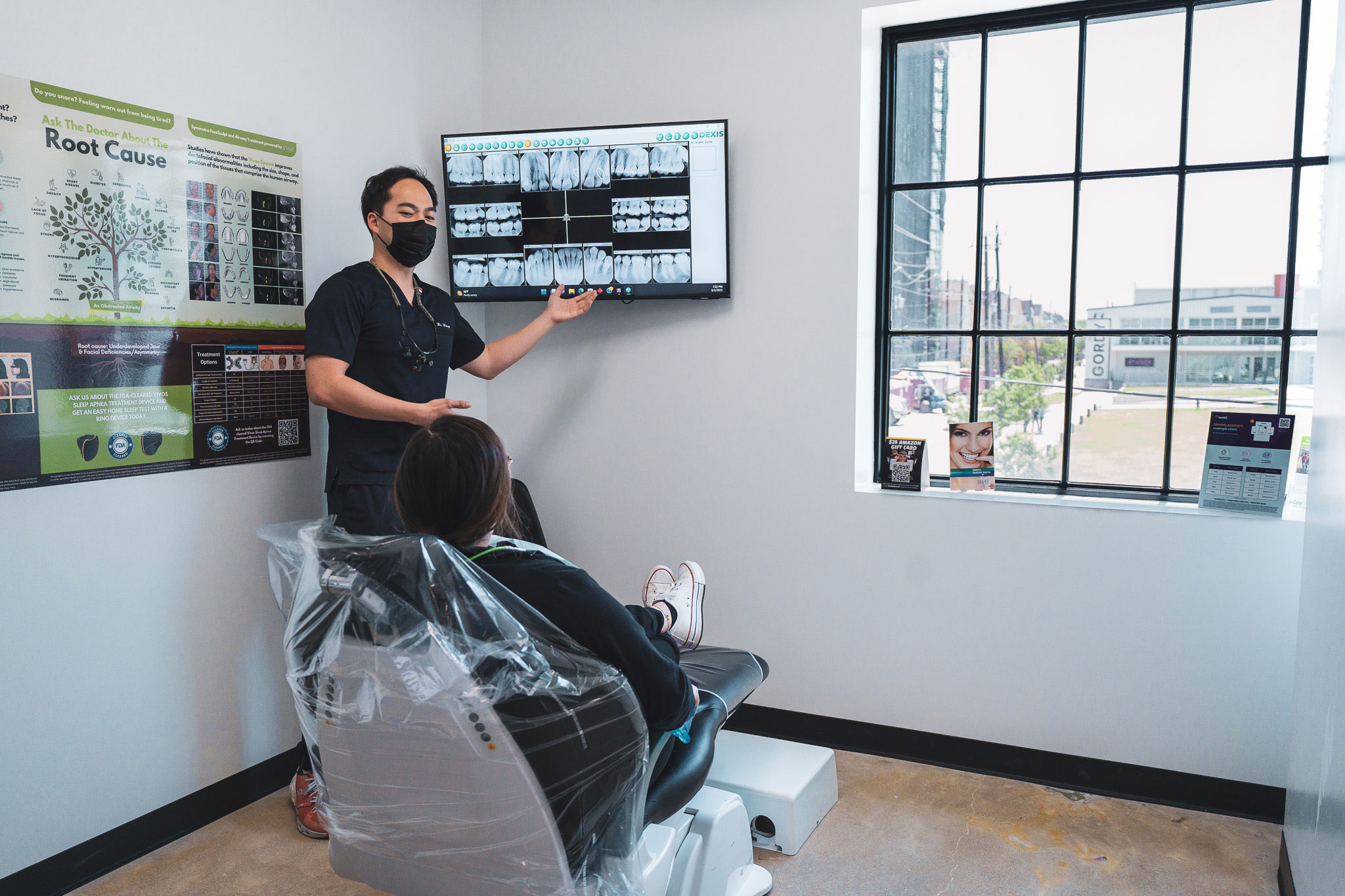
A root canal dentist begins by examining the affected tooth and surrounding area. They use digital X-rays to identify infection, decay, or nerve damage inside the tooth. This step is especially important in dental emergency tooth abscess treatment, where infection can spread quickly if left untreated. By diagnosing the issue early, the dentist creates a clear treatment plan that focuses on pain relief and long-term tooth preservation.
Preparing the Area for Treatment
Before starting the root canal procedure, the dentist numbs the area with local anesthesia. This ensures patient comfort throughout the treatment. At Emergency Dentist Houston, dentists prioritize pain-free care, even in urgent situations. Once the tooth is fully numb, the dentist places a protective dental dam around it to keep the area clean and dry during the procedure.
Removing the Infected Pulp
The core responsibility of a root canal dentist involves removing infected or inflamed pulp from inside the tooth. The dentist carefully creates a small opening in the tooth’s crown and uses specialized instruments to clean out the pulp chamber and root canals. This step eliminates bacteria and stops infection from spreading, which is crucial in preventing complications that may otherwise require an emergency extraction dentist Houston service.
Cleaning, Shaping, and Disinfecting the Canals
After removing the pulp, the dentist thoroughly cleans and shapes the canals. They flush the area with antibacterial solutions to remove remaining debris and bacteria. This step plays a key role in successful dental emergency tooth abscess treatment, as it reduces the risk of reinfection. Proper cleaning also prepares the canals for sealing, which strengthens the tooth from within.

Filling and Sealing the Tooth
Once the canals are clean and dry, the root canal dentist fills them with a biocompatible material called gutta-percha. This material seals the canals and prevents bacteria from re-entering. The dentist then places a temporary or permanent filling to close the opening. In many cases, patients later receive a crown to restore full function and protect the tooth.
Restoring Function and Preventing Future Emergencies
A root canal dentist does more than stop pain—they help restore normal chewing and protect natural teeth. At Emergency Dentist Houston, dentists focus on saving teeth whenever possible to avoid extractions. However, if the damage proves too severe, the team may recommend help from an emergency extraction dentist Houston to prevent further oral health issues.
Why Choose an Emergency Root Canal Dentist?
Choosing an experienced emergency dentist Houston ensures quick relief during severe tooth pain or infection. Root canal dentists handle urgent cases efficiently, reduce complications, and help patients avoid unnecessary tooth loss. Their expertise makes a major difference during dental emergencies.
Final Thoughts
A root canal dentist performs a detailed, step-by-step procedure designed to eliminate infection, relieve pain, and save your natural tooth. From diagnosis to restoration, every step focuses on long-term oral health. When emergencies arise, Emergency Dentist Houston provides trusted care, advanced treatment options, and fast relief when patients need it most.
In case there is a need to remove a tooth very quickly, dental extraction near me is one of the most common searches made by patients looking for a reliable dentist. A rapid action takes care of your dental health and avoids the risk of problems. Selecting a clinic that provides emergency dental extraction services brings the patient properly treated without waiting.
Under specific conditions, tooth extraction is a must to maintain the stability of the remaining dental structure. If you happen to be in Texas, you can search for emergency tooth extraction Houston centers that will give you trustworthy treatment with the help of the latest tools and techniques. Furthermore, individuals who reside at a significant distance from the mentioned area usually look for Emergency Tooth Extraction Near Me to locate a qualified practitioner who is available for prompt dental care.

Reliable Care Through Emergency Dental Services
An emergency dental care Houston TX service that is properly equipped can manage pressing cases with the utmost accuracy and dedication. This is the case for many patients who put their trust in centers that are recognized for providing emergency dental Houston TX services in an organized and effective way. The main goal of these clinics is to make every visit an experience of safety, clarity, and convenience.
How to Find the Nearest Emergency Dentist
In case of sudden dental troubles, finding the nearest emergency dentist to me becomes a priority. New clinics consider access as a primary factor, thus, making it easier to book urgent appointments. Such practices are also available in your vicinity providing the emergency dentist service near me, so that you would not have to wait for your turn in case of dental emergencies.
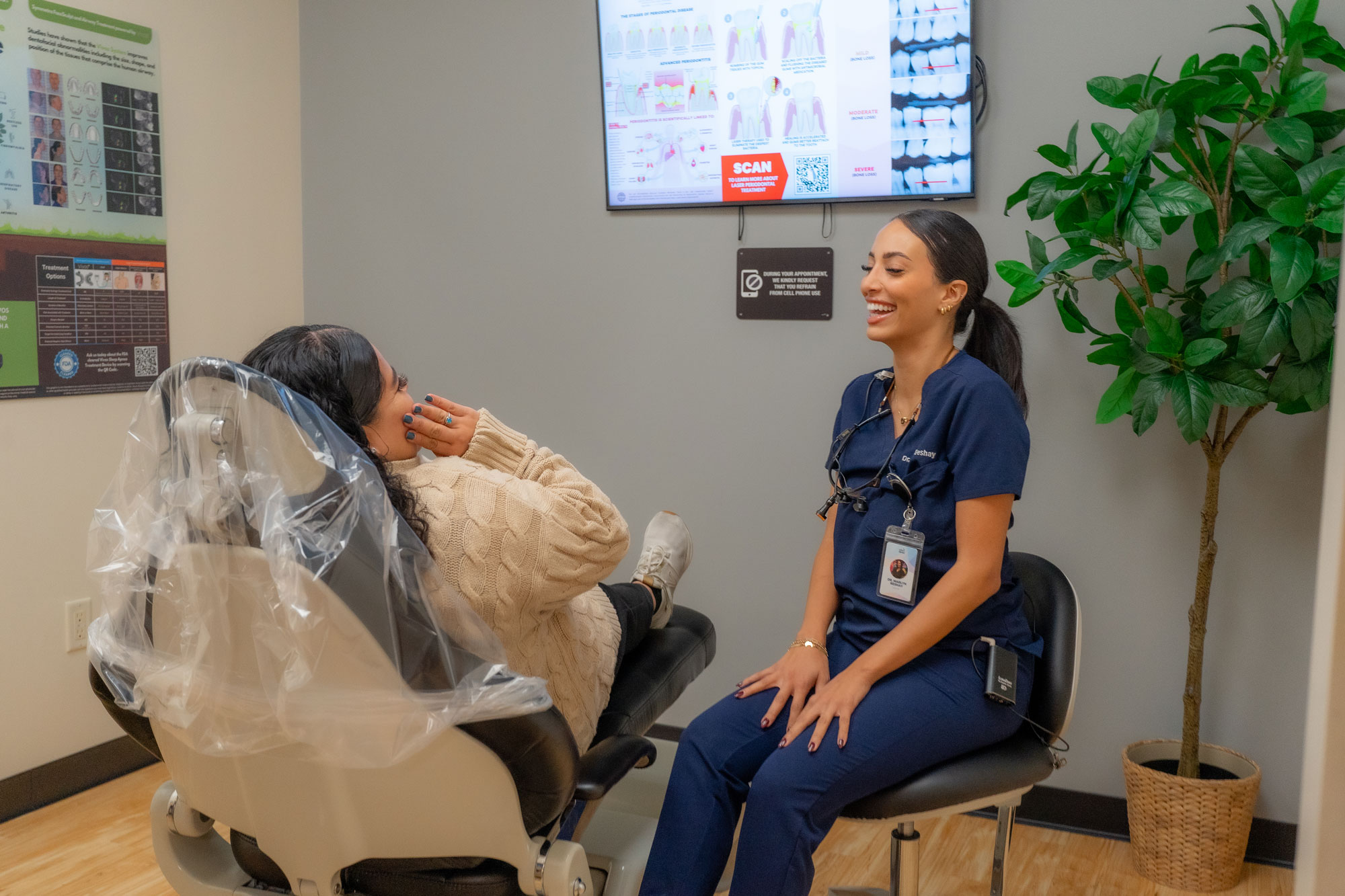
If you happen to be in Texas, then centers providing emergency dental service in Houston TX are the perfect combination of quality, skill and immediate availability all in one place.
Why Choosing the Right Dental Provider Matters
An expert and trustworthy supplier will stay with you during the whole process from assessment, and extraction to follow-up care. Among other things, they will be responsible for the patient's treatment experience being the smoothest one possible, by giving accurate communication, and making certain that all the actions are correctly done. When you choose the right clinic, you can have the utmost confidence in your choice and will never be reluctant to maintain your dental health as it will be taken care of by the best.
Many people, when facing complications with their wisdom teeth, start looking for emergency wisdom tooth extraction near me. Professional evaluation is necessary for these cases to find the best solution for the long term oral health of the person.
Accessing Local Wisdom Tooth Removal Services
A large number of people rely on finding emergency wisdom tooth removal near me to get connected with dental teams that are already trusted to check their condition. A properly organized emergency wisdom tooth removal service is going to make the process such that every case is getting the needed care and communication.
In Texas, people mostly look for emergency wisdom tooth removal Houston whenever they need a dental expert to guide them through a very urgent situation. There are times when an immediate operation will be necessary and that is when emergency wisdom tooth extraction Houston should be chosen as it guarantees that the patient will be attended by a dentist who is not only qualified but also has a lot of experience in dealing with such tough cases.
A variety of factors can cause a wisdom tooth emergency, and having the appropriate team available is the principal consideration. A lot of patients depend on a Houston emergency dentist for support according to their particular dental problems.
Finding the Right Emergency Dental Facility
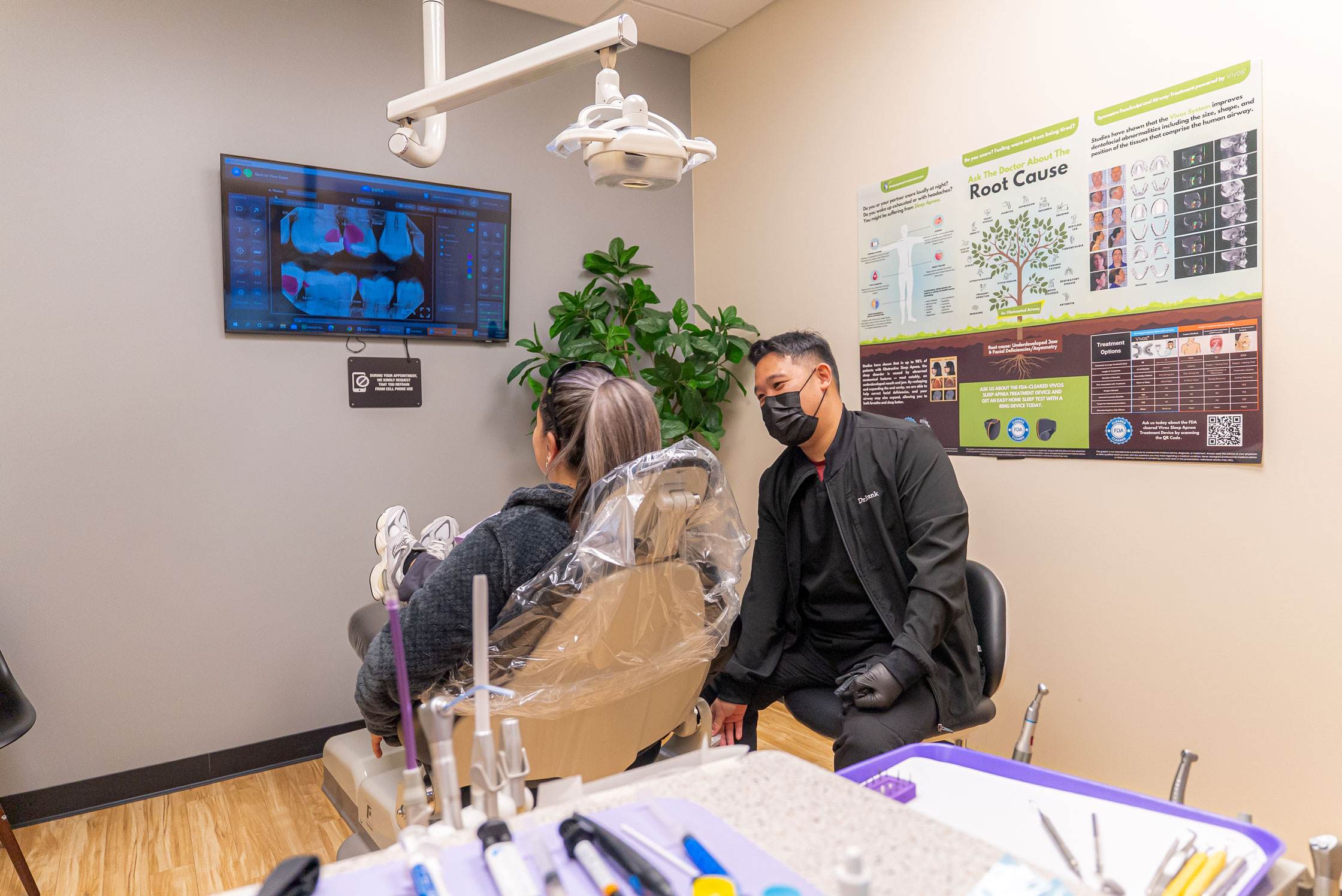
The choice of an emergency dental hospital gives more confidence that qualified practitioners are readily available to assist. Making use of an emergency tooth doctor ensures that wisdom teeth or any dental issues are handled promptly and by a qualified expert which is the reason for the thorough evaluation and instant medical treatment.
Same-Day Emergency Dentistry for Urgent Situations
Flexible scheduling is provided by some clinics that are able to cater sudden needs. People looking for same day emergency dental services are led to the facilities that are ready for urgent visits, thus receiving a smooth experience with the treatment clearly planned.