A radiant, healthy grin can make a space come alive and give you more self-assurance. Maintaining a brilliant smile is important whether you recently had your teeth professionally whitened or you just want to keep your pearly whites in peak condition. This article will give you some easy-to-follow and urgent dental care advice in this post to make sure your smile stays stunning and brilliant for years to come.
Tips For Maintaining White Teeth
Brush and Floss Regularly
A beautiful smile starts with basic oral hygiene. Make it a habit to brush your teeth at least twice a day using a soft-bristled toothbrush and fluoride toothpaste. Never forget to gently brush your tongue to remove the bacteria that can cause bad breath. Additionally, flossing every day helps keep your smile clean and fresh by removing food particles and plaque from between your teeth.
Choose the Right Toothbrush
Choosing the appropriate toothbrush can have a significant impact. Choose a soft-bristle brush to protect your gums and tooth enamel. Every three to four months, or sooner if the bristles start to fray, replace your toothbrush or toothbrush head.
Always Eat Balanced Meals
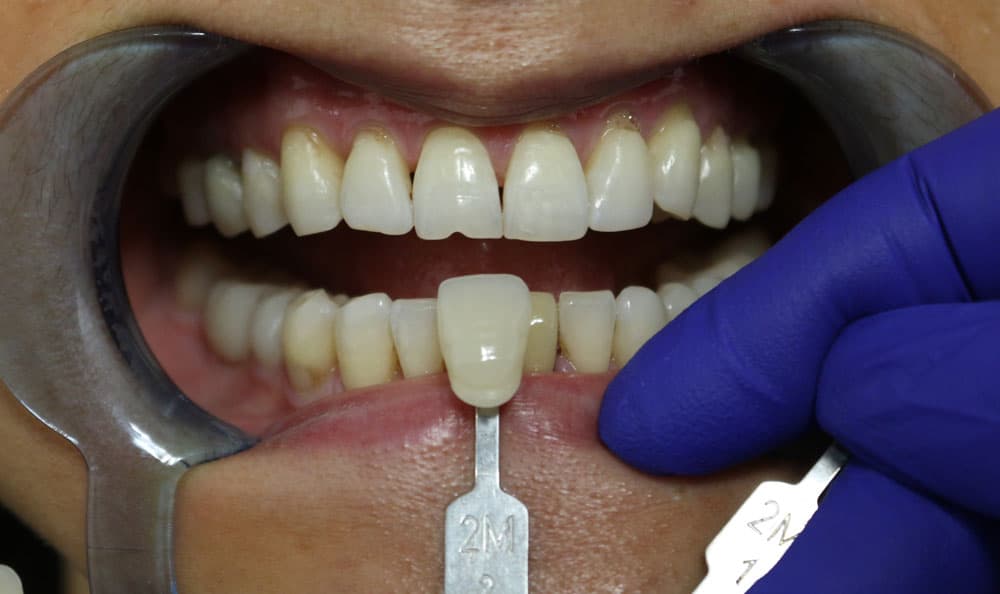
What you are drinking and eating can have an impact on your dental health. Eat a diet rich in fruits, whole grains, lean meats, and fresh produce. Sugar can contribute to tooth decay, so try to limit your intake. Drink plenty of water to assist in washing away food particles and germs that can harm your teeth.
Avoid Tobacco Products
In addition to discoloring your teeth and giving you poor breath, smoking and using other tobacco products raise your chance of developing gum disease and oral cancer. You should consult your dentist about professional teeth whitening cost. Giving up cigarettes is good for your general health as well as your smile.
Limit Drinks That Can Stain
Red wine, coffee, and tea are among the substances that can eventually discolor your teeth. Try to drink these beverages in moderation if you like them. To reduce contact with your teeth, you can also use a straw. After using one, rinse your mouth thoroughly with water.
Wear a Mouthguard
If you play sports or grind your teeth at night, consider wearing a mouthguard. Sports-related injuries and teeth grinding can damage your teeth and affect your smile's appearance. A custom-fitted mouthguard can help protect your teeth from harm.
Visit Your Dentist Regularly
Regular dental check-ups are crucial for maintaining a dazzling smile. Your teeth whitening dentist cost is minimal and can detect and address issues early, preventing them from becoming more significant problems. Professional cleanings can also remove stubborn plaque and stains.
Teeth Whitening
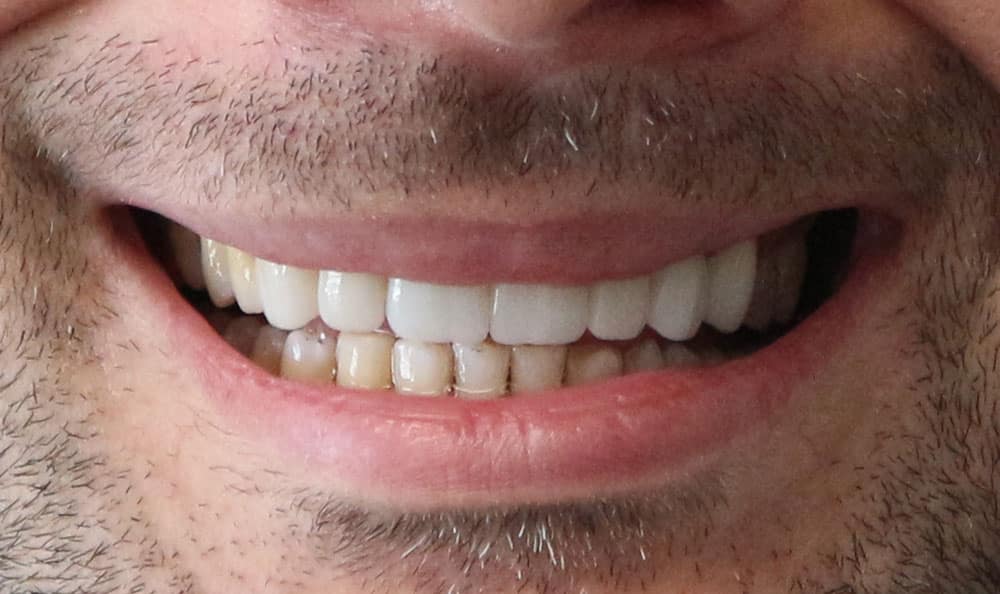
If your teeth start to lose their luster, professional teeth whitening near me in Houston is an effective way to restore their brightness. Your dentist can provide safe and long-lasting whitening options tailored to your needs.
Practice Good Habits
Avoid using your teeth to open packages, chewing on hard objects like ice or pencils, and biting your nails. These habits can chip or crack your teeth, leading to potential smile imperfections.
Conclusion
A beautiful grin is a quality that can make you feel better about yourself and make others feel good about you. You can have a gorgeous smile that lasts a lifetime by adhering to some basic yet crucial suggestions for keeping the best teeth whitening and oral hygiene practices, eating a nutritious diet, and seeking professional dental care.
If you have gone through a wisdom tooth removal, then the question how long is wisdom teeth removal recovery?' definitely comes into your mind. Well, in short, it depends from person to person, but what you can do to speed up that process is to take care of your diet and follow the tips given in this article, so read this article till the end to go through it step by step.
Understanding wisdom teeth removal recovery
The recuperation time following wisdom tooth removal varies from person to person. The majority of people typically require one to two weeks to begin feeling better. However, some people might recover more quickly, while others can take a little longer.
First Few Days
You can feel uncomfortable and swollen in the first several days following surgery. This is entirely typical. It's crucial to take your time when your body heals. The greatest options during this time are soft foods like yogurt, mashed potatoes, and soup.
Pain and Discomfort
Following wisdom tooth removal, pain and discomfort are frequent. To assist you in managing the discomfort, the dentist office near me in Houston is likely to prescribe painkillers. Do not forget to take them as directed and refrain from doing anything that can make the pain worse.
Bleeding
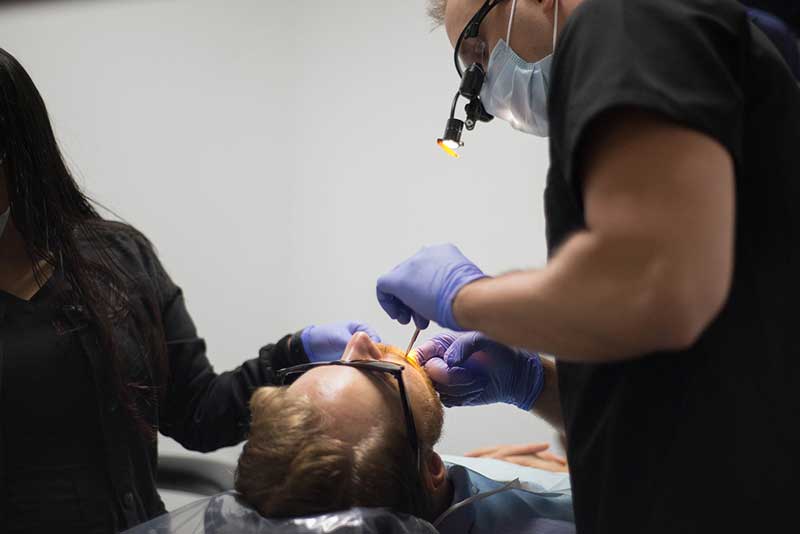
Following the extraction, some bleeding is typical. Bite down lightly on a piece of gauze that your dentist has provided to stop the bleeding. Adjust it as necessary. Contact your dentist if bleeding persists for more than 24 hours.
Avoid Certain Activities
It's crucial to refrain from vigorous activities, smoking, and drinking through straws in the early stages of recuperation. These behaviors may complicate and impede the healing process and may extend the answer to the question 'How Long is Wisdom Teeth Recovery?'.
Taking Care of Incision Sites:
Day 1–3:
It's very important to be gentle with your mouth throughout the first three days to prevent irritating the incision sites. What you ought to do is:
Spitting or strong rinsing should be avoided since they can disturb blood clots and slow down the healing process.
Limit yourself to mashed bananas, pudding, and applesauce. Avoid eating anything hard or crunchy that could irritate the wound areas.
Follow your dentist's instructions while using any prescription medication. This will aid with pain management and lower the chance of infection.
To minimize swelling, place ice packs on your cheeks for 20 minutes at a time.
Day 4 - 7:
You can start taking greater care of your incision sites as you enter the second stage of recovery:
You can begin gently washing your mouth with warm saltwater after the third day. This encourages healing and keeps the region clean.
Continue consuming soft meals to prevent further aggravation of the incision areas.
To avoid difficulties, it's critical to remain abstaining from both activities.
After One Week:
You can gradually reintroduce regular dental hygiene routines after the first week, but proceed with caution:
You can resume gently cleaning your teeth, but for the first few days, avoid the surgery region.
- Gradual Return to Regular Diet
As your comfort level allows, gradually reintroduce solid foods into your diet. Make sure they are chewable and supple.
Keep the time set aside for your follow-up visit with your dentist. They will evaluate how well you are recuperating and offer more advice.
Conclusion
In conclusion, recuperation time following wisdom tooth removal varies from person to person but usually lasts one to two weeks. During this time, it's essential to take care of the incision sites to avoid infection as well as promote healing. In the early stages of recovery, follow the advice of Emergency Dentistry Near Me in Houston, like sticking to a soft diet and being gentle with your mouth. You'll quickly feel your best again if you have patience.
Imagine that you are in the dentist's office, and they inform you that you must have your wisdom teeth removed. Although it may seem frightening, the dental procedure at Wisdom Teeth Extraction Near Me in Houston is quite normal. Third molars, sometimes referred to as wisdom teeth, frequently cause issues as they erupt. This article will guide you on how to avoid infections after wisdom tooth removal and how to spot the symptoms if one does happen.
Preventing Infection
Good Oral Hygiene
Maintaining proper dental hygiene is one of the best ways to prevent early stage wisdom tooth infection after wisdom tooth removal. To prevent affecting the healing process, use caution when near the surgery site. Additionally, washing with a saltwater solution can keep your mouth clean.
Follow Post-Op Instructions
Following the removal of your wisdom teeth, the Urgent Dentist Near Me in Houston will provide you with detailed aftercare instructions. These guidelines are essential for avoiding illness. They might include staying away from specific meals, not using straws, and taking prescription drugs as instructed. Recovery will go more smoothly if you adhere to these recommendations.

Keep the Area Clean
To avoid infection, the extraction site must always be kept clean. For the first few days, you should refrain from immediately brushing the surgery region. Rinse gently instead with warm seawater. You should gradually begin introducing brushing to the region as healing develops.
Watch Your Diet
In order to avoid infection, your diet is very important. During the first several days following extraction, restrict your diet to soft meals like mashed potatoes, yogurt, and soup. Avoid meals that can aggravate the surgical site, such as those that are firm, crunchy, or hot. Reintroduce regular foods gradually, as recommended by your dentist.
Signs of Infection
Persistent Pain
It may indicate a sign of wisdom tooth infection if you feel pain that is ongoing and getting worse at the extraction site. Normal discomfort should gradually lessen, but if it persists or worsens, see your dentist.
Swelling
After wisdom teeth removal, some swelling is typical; however, if it persists for more than a few days or gets worse, it might be an infection. Keep an eye on the swelling's size and texture.
Fever
Having a fever frequently indicates that your body is battling an infection. After the extraction, it's critical to call your dentist or oral surgeon right away if you experience a fever.
Foul Taste or Odor
It could be an indication of infection if you notice a bad taste or odor in your mouth that doesn't go away with good dental hygiene. Usually, microorganisms at the surgery site are to blame for this.
Difficulty Opening Your Mouth
If opening your mouth becomes more and more difficult, or if your jaw becomes rigid, it could be a sign of something wrong. Inflammation and infection may cause this.
Conclusion
In conclusion, Wisdom Teeth Extraction is a regular dental treatment, and a quick recovery depends on your ability to avoid infection and spot its symptoms. Keep in mind to practice proper oral hygiene, pay close attention to post-operative instructions, keep the extraction site tidy, and monitor your diet to prevent infection.